Common Specification Mistakes and How to Avoid Them
Assuming Specifications Are Interchangeable
The most frequent error in aerospace procurement is treating specifications covering the same material type as equivalent. MIL-PRF-85285 and BMS 10-11 both govern polyurethane topcoats, but they are different documents with different qualification routes and potentially different performance requirements. A product approved under one is not automatically approved under the other. For a deeper look at how topcoat types compare, read our guide to
epoxy vs acrylic vs polyurethane topcoats.
Overlooking Revision Level
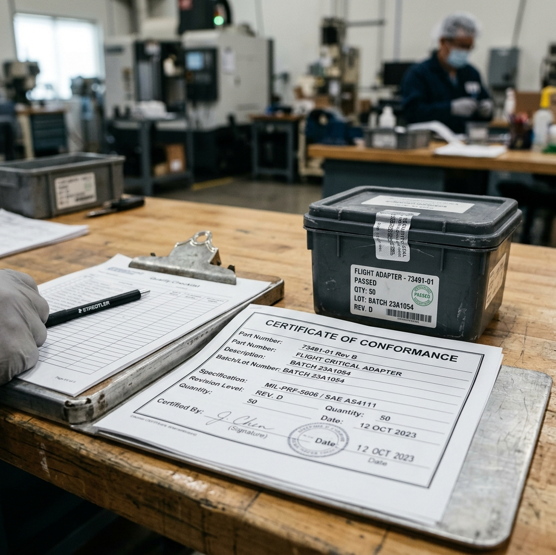
Specifications are living documents. When a BMS or MIL-PRF is updated, the revision letter or number changes. A certificate of conformance referencing the wrong revision may be rejected by your customer’s quality team, even if the product itself is materially unchanged. Always confirm the required revision before ordering.
Relying on Outdated Approvals
QPL listings and Boeing or Airbus approved source status can be suspended or withdrawn. A supplier approved at the time of your last purchase may not hold current approval. Verification should be part of your standard procurement process, not a one-time check.
Confusing Performance Compliance with OEM Approval
Meeting a MIL-PRF specification does not guarantee OEM approval, and OEM approval does not always require MIL-PRF compliance. Both must be verified independently, particularly for turbine oils and hydraulic fluids where OEM approvals carry additional operational significance. Our
hydraulic fluid specification cross reference guide covers the key standards and their approved equivalents across military and commercial applications.
How Silmid Supports Specification-Driven Procurement
Silmid stocks aerospace materials qualified under MIL-PRF, BMS, and AIMS specifications from leading manufacturers including PPG, Henkel, 3M, and AeroShell. Our technical sales team works with procurement and engineering professionals across commercial MRO, military depot, and OEM environments to ensure the right material reaches the right programme, correctly specified and fully documented.
Our support includes:
- Specification cross-referencing across MIL-PRF, BMS, and AIMS systems
- Certificates of conformance referencing the correct specification, revision, and approved source status
- QPL and approved source verification at point of supply
- Shelf life, cure date, and batch traceability documentation
- Technical guidance on specification applicability for mixed-fleet MRO environments
- Hazardous materials handling and compliance documentation
Browse our full range of aircraft paints and aerospace coatings, aerospace sealants, and hydraulic fluids, all stocked with full specification and traceability documentation. For lubricant specification cross-references across military and commercial standards, our specialty lubricant specification cross reference is a useful starting point.
Whether you are sourcing for a Boeing 737 heavy maintenance visit, a military depot programme, or a general aviation MRO facility, getting the specification right at the point of order is the fastest way to avoid rejected materials, documentation delays, and airworthiness risk.
For technical queries, specification cross-references, or to discuss your programme’s material requirements, contact the Silmid technical sales team.
Frequently Asked Questions About Aerospace Specifications
How do I know which specification applies to my programme?
The maintenance document is the authoritative reference. Structural Repair Manuals (SRMs), Component Maintenance Manuals (CMMs), and process specifications call out the exact specification number and revision required for each material. Silmid’s technical sales team can also assist with specification cross-referencing for your programme.
Can a product be approved to both MIL-PRF and BMS specifications?
Yes. Dual qualification is possible and relatively common in coatings, sealants, and adhesives where performance requirements closely align. It cannot be assumed and must be confirmed via the manufacturer’s certification and the certificate of conformance supplied with the product.
How do I verify QPL status for a MIL-PRF product?
QPL status can be checked via the Defence Logistics Agency’s Qualified Products Database (QPD), which is publicly accessible. Manufacturers also typically include QPL references in their technical data sheets, but the DLA database is the primary verification source.
What documentation should accompany a BMS-specified material?
BMS materials require a certificate of conformance referencing the BMS number and revision, the manufacturer’s batch number, shelf life and cure date information, and confirmation of approved source status. MRO facilities operating under EASA or FAA Part 145 approval will have additional documentation requirements on top of Boeing’s baseline.
What is the difference between MIL-PRF and MIL-DTL specifications?
MIL-PRF specifications define performance requirements, focusing on what a product must do in service. MIL-DTL specifications define detailed design and material requirements, specifying how a product must be made. MIL-PRF allows greater flexibility in formulation and manufacturing, which is why it replaced the older prescriptive MIL-SPEC format across many aerospace applications.
Where can I find a full list of aerospace specifications covered by Silmid?
Silmid’s aerospace specifications knowledge centre covers MIL-PRF, DEF STAN, BMS, and AIMS standards with product listings and buying guides for each specification.