Quick View

Turbine Engine Oils (TEOs), sometimes referred to as jet oils or turbo oils, are specialty lubricants specifically formulated to support the demanding operation of turbine engines. First developed in the 1940s, turbine engines are now used on the vast majority of commercial aircraft in operation today. While aviation remains the primary market for these oils, turbine engines are also widely used in other sectors, particularly in the power generation industry, creating additional demand for high-performance lubrication solutions.
Unlike piston engines, that convert an up and down movement from a piston into motion, turbine engines combine compressed air with the chemical reaction from the fuel within the engine to drive fan blades. This design enables significantly higher operating speeds and temperatures. As a result, turbine engine oils must withstand far more extreme thermal conditions, driving continuous innovation, from early mineral-based formulations to today's advanced synthetic TEOs.
There are three main functions of a turbine engine oil (TEO). Firstly, they lubricate the engine, including the gearbox, shafts and associated accessories, protecting them from damage and ensuring smooth operation while running.
In addition to this, the various additive packages in turbine engine oil protect the components from corrosion, and filter contaminants in the engine such as carbon deposits formed from a process known as coking.
The engine is the most expensive single piece of equipment on an aircraft. However, each engine system is made up of various parts, and due to this there are different turbine engine oils available depending on the area of application:
In addition to traditional fixed-wing commercial aircraft applications, turbine engine oils can also be used:

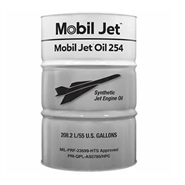
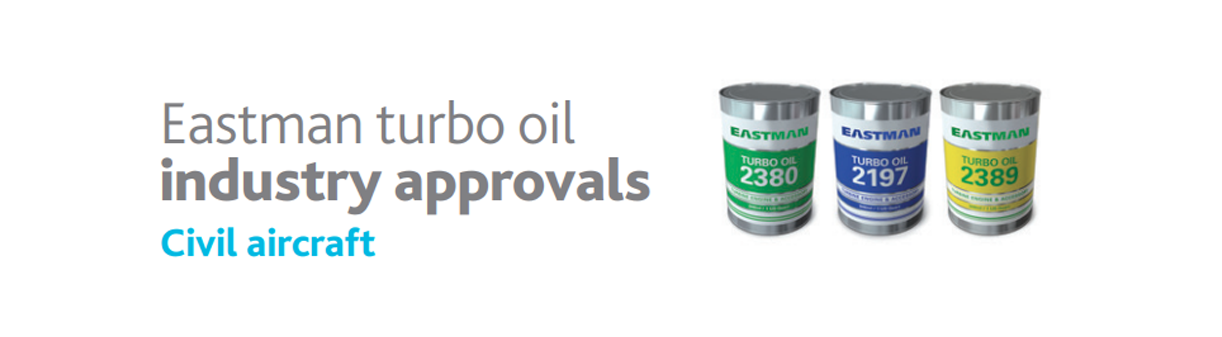
Two main specifications govern turbine engine oils on modern, fixed wing, commercial aircraft: MIL-PRF-23699 and SAE-AS-5780.
The original US Military specification, this has been in existence for over 50 years and was formerly known as MIL-L-23699.
This specification is divided into two further subcategories, Type STD - Standard and Type HTS – High Thermal Stability, defining differences in high temperature performance and thus their ability to reduce coking – the formation of carbon deposits within the engine.

Innovations in engine design, including the Trent 1000 by Rolls Royce, created further temperature problems that the MIL-PRF-23699 HTS grade could no longer adequately cover. This coincided with a shift in focus from military specifications, to commercial ones, namely those developed by the Society of Automotive Engineers (SAE).
Their SAE-AS-5780 specification provides a more stringent framework for testing of such oils including their thermal stability, lower coking properties and improved load carrying capacity.
These oils are again categorised under two different subheadings – standard performance and high performance.
While HTS and HPC oils are capable of working under higher temperatures, when working with engines that do not reach these temperature limits some users may prefer an STD or SPC grade oil due to better seal elastomer compatibility.
It is important to note that receiving an SAE or MIL qualification does not complete the approval process, and separate approval should be sought from the engine manufacturer, through either engine development projects or a complete flight evaluation.
Turbine engine oil is a highly engineered lubricant composed of two essential components: base oils and additives. The base oils — either highly refined mineral oils or synthetic oils — are selected for their ability to withstand the extreme temperatures and operating conditions found in turbine engines.
The additive packages play a critical role in enhancing oil performance. These additives provide thermal and oxidative stability, protect engine components from corrosion, and help reduce the buildup of harmful carbon deposits. They also contribute to the oil’s load-carrying capacity and seal compatibility.
The combination of base oil and additive chemistry largely defines the specific turbine engine oil types available on the market today. For example, synthetic oils are typically used in high-performance aircraft and gas turbines due to their superior stability and lifespan, while mineral-based oils are often preferred for equipment preservation and storage.
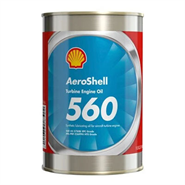
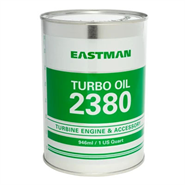
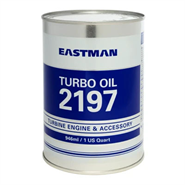
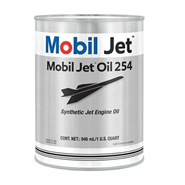
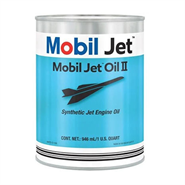
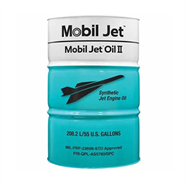
No, turbine oil and gear oil are designed for different mechanical systems. While both provide lubrication, turbine engine oil is formulated to handle the high temperatures and speeds of turbine engines, whereas gear oil is typically used in systems with heavy loads and lower operating temperatures.
Although some aviation oils may be compatible for limited operational needs, turbine engine oil is not interchangeable with piston engine oil. They are formulated differently to meet the unique performance demands and temperature ranges of their respective engine types.
The two primary turbine engine oil types are synthetic and mineral-based. Synthetic oils offer better high-temperature stability and longer service life, while mineral oils are often used for preservation or in older engine models.
Oil change intervals for turbine engines can vary by engine model and usage but are often based on operating hours or oil condition monitoring. Some synthetic turbine engine oils can last up to 25,000 hours with proper system checks in place.