Sign In / Register Account & Quick Order
New Customer? Create an Account
My Account
0 Basket
O-rings are mechanical gaskets used to connect two parts of a machine, engine or other mechanical assemblies. They seal and fill the space between parts, creating a joint as they are compressed between the two components, often in a groove of one of the parts.
They prevent the leakage or ingress of particles, vapours and fluids, protecting the joint to ensure function and safety as intended. O-rings are usually made from elastomers like silicones and synthetic rubber, such as nitrile and EPDM.
O-rings should be greased regularly. Keeping O-rings lubricated is essential to maintain the function of the seal, extend service life, and prevent malfunction when a seal is blown. Lubrication protects the part through general water resistance, the minimisation of frictional forces, and the prevention of atmospheric degradation.
There are several types of O-ring grease to choose from, including silicone, PTFE-based and petroleum-based greases. The best grease for your O-ring depends on the seal material, the operating temperature and the service environment. The grease type must be compatible with the O-ring material to ensure optimal performance and benefits.
When choosing an O-ring grease, work through three factors in order:
For more detailed guidance, see the Greases Explained guide and the Grease Cross Reference page.
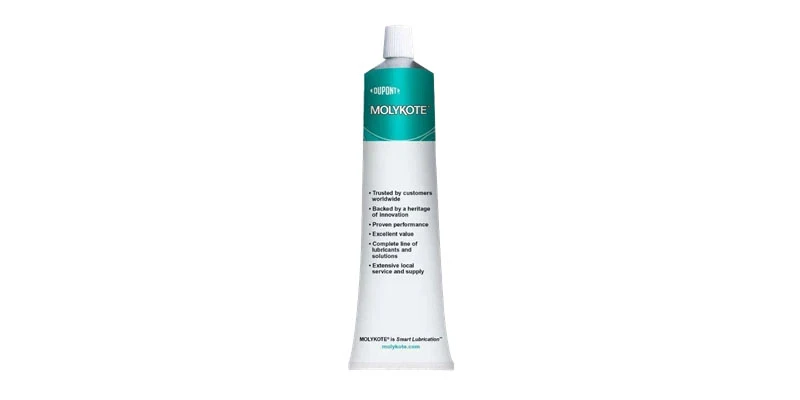
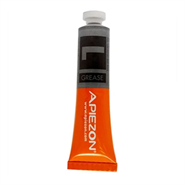
A silicone-based product that provides effective lubrication and sealing for rubber O-rings and seals. If you need a silicone-based starting point, this is the featured product to review first before comparing the other greases on the page.
It is highly reliable, offering heat and oxidation resistance across a wide service temperature range -65°C (-85°F) to +175°C(+347°F). It provides excellent oxidation resistance and reliable corrosion protection. Its wide service temperature range can be used in various industries, including aircraft, automotive, and general industrial applications.

For most applications, a synthetic grease, particularly silicone-based or ester-based, is the best choice for O-rings, as it is compatible with common elastomers, waterproof, and stable across a wide temperature range. Petroleum and most lithium greases should be avoided on rubber seals, as they can cause the elastomer to swell, dry out, or crack.
Yes. Silicone grease is both safe and effective on rubber O-rings and seals, and can be applied to rubber and plastic without risk of damage. It also poses no health risk on skin contact during hand application, making it a practical option for maintenance and assembly work.
Silicone grease offers excellent temperature stability and is well suited to extreme high and low temperatures. PTFE grease is chemically inert, so it resists reacting with rubber and most materials, but it may be less effective under extreme pressure or temperature. Always check the manufacturer's recommendation for your specific rubber compound before selecting either.
Use only a thin, even film unless the seal or equipment manufacturer says otherwise. Too much grease can attract contamination and make installation harder.
Regular lubrication maintains the integrity of the seal, extends service life, and reduces the risk of a blown seal or leak. Grease provides water resistance, minimises frictional forces during compression and movement, and helps prevent atmospheric degradation of the elastomer over time.
Molykote 55 is a silicone-based grease designed for lubricating and sealing rubber O-rings and seals, with a service temperature range of -65°C (-85°F) to +175°C (+347°F). Its heat, oxidation, and corrosion resistance make it suitable for aircraft, automotive, and general industrial use. You can view sizes and specifications on the Molykote 55 product page.