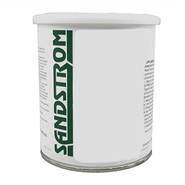
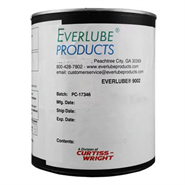
Choosing a Coating to MIL-PRF-46010
MIL-PRF-46010 sets the performance a solid film lubricant must meet, including friction reduction, corrosion resistance, and curing behavior. For help matching these requirements to a specific application, users can contact Silmid’s technical team for support.
MIL-PRF-46010 Specification at a Glance
The MIL-PRF-46010 specification outlines performance expectations for heat-cured solid film lubricants used to reduce friction, support corrosion resistance, and protect metal components in demanding aerospace, defence, and industrial environments. The key features below summarize the main properties, applications, and curing requirements users should understand when reviewing MIL-PRF-46010 products.
Key Features
Environmental Resistance: This lubricant is designed to withstand harsh environmental conditions, such as extreme temperatures, moisture, salt spray, and other corrosive elements. It can maintain its lubricating properties in temperatures ranging from -68°C to 204°C.
Applications: Commonly used in military vehicles, aircraft, and other defense equipment, MIL-PRF-46010 is also used in industrial and aerospace applications. The coating is intended for use on various metals including aluminium, copper, steel, bearings and other components that require long-lasting, low-maintenance lubrication.
Load carrying capacity: MIL-PRF-46010 has a minimum load-carrying capacity of 11120 N (approximately 3000 lbf). This means it can effectively reduce friction and wear under significant loads, making it suitable for various demanding applications.
Endurance Life: The endurance life of the MIL-PRF-46010 lubricant refers to its ability to withstand prolonged use and maintain its lubricating and protective properties over time under specified conditions. Products conforming to the spec should have an average endurance life at 1000 pounds load (lbf) of 450 minutes.
Purpose and Application: MIL-PRF-46010 is used to provide a solid, low-friction, and anti-corrosion coating on metal surfaces. It is typically applied in scenarios where lubrication is critical for moving parts, but standard lubricants would either evaporate, break down, or attract contaminants like dust or dirt. It must be suitable for application by brushing, dipping, or spraying. Once applied, the film shall meet all performance requirements after curing for 1 hour at 204 ± 15°C or 2 hours at 150 ± 15°C.
Material: The lubricant is manufactured using component materials comprising finely powdered lubricating solids dispersed in a suitable liquid binder. The lubricant formulation shall not include lead or lead-containing compounds, ozone-depleting substances, graphite, powdered metals, carbon black, charcoal, or any other form of inorganic carbon.