


Aircraft Fuel Tank Sealants
Aircraft fuel tank sealants seal seams, rivets, and joints in fuel systems that face heat, pressure, and chemical exposure. Silmid stocks aircraft options from PPG, Naftoseal, 3M, and Flamemaster in integral tank, repair, barrier coating, potting, and moulding formats. For the most widely specified integral tank sealant, see our guide to PR-1440.
Use the filters and product names to compare cure profile, application method, and product form before you choose a sealant for the job. If you are sourcing an OEM or military requirement, check MIL-PRF-81733 (corrosion-inhibitive sealing and coating compound) or read our guide to navigating MIL-PRF specifications before ordering.
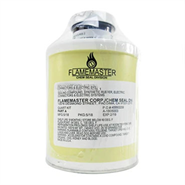
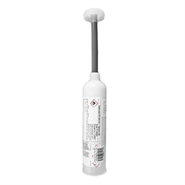
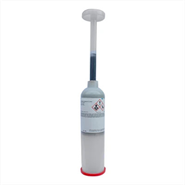
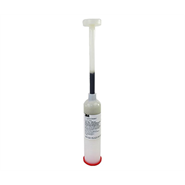
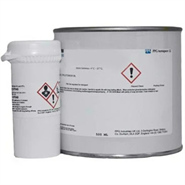
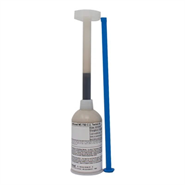
What Are Fuel Tank Sealants?
When constructing an aircraft fuel tank, there are microscopic seams from rivets and metal joints. Fuel tank sealers plug these gaps, so gas or jet fuel doesn’t seep out. They are formulated to adhere to materials commonly used when making aircraft fuel tanks, such as steel and aluminium. An aeroplane fuel tank seal also has excellent resistance to common aircraft oils and chemicals, extreme pressure, and a wide range of temperatures. For these reasons and others, some technicians coat the entire inner or outer tank with sealant for maximum protection.High-Performance Fuel System Sealants
We offer an assortment of sealants that are tested and proven in aircraft worldwide. Shop for integral fuel tank sealant kits in many sizes along with rapid cure repair sealants, secondary fuel barrier coatings, potting and moulding compounds, and high-strength sealants. Most formulas will cure at room temperature for easy application with a brush, roller, or spray. For broader comparisons, browse our sealants range.
A real-time digital inventory management system lets you know what’s available, so you can get the right sealants for a task with same-day shipping. The knowledgeable support team at Silmid is here to answer any questions.