
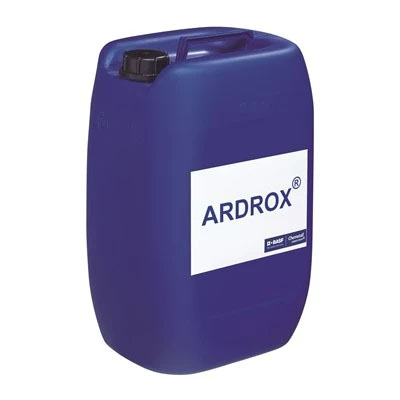

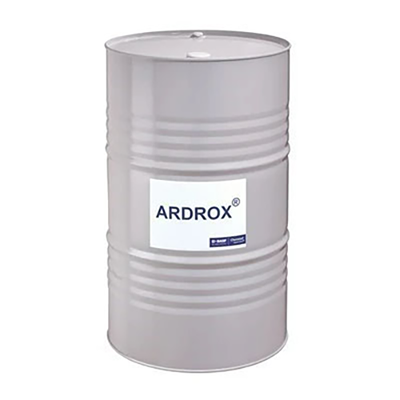
Ardrox 9715 Fluorescent Water Washable Penetrant (Level 3 Sensitivity) 200Lt Drum
Silmid P/N: P0200209
£5841.29 £7009.55
Ardrox 9715 is a Fluorescent Water Washable Penetrant (Level 3 Sensitivity) that is supplied in a 200Lt Drum.
Technical Information
- Commodity Code 32049000
- Country of Origin France
Data Sheets
Download the Ardrox 9715 technical data sheet (TDS) and the Ardrox 9715 safety data sheet (SDS) from Silmid today. Once you have logged in or signed up, the datasheet will be visible for download if one is available. Please login to access datasheets

AUTHORISED DISTRIBUTOR: Silmid is an authorised distributor of Chemetall products. Click here to review our authorised distributor certificate.
Product Properties
Pack Size
200Lt Drum
Product Colour
Yellow Green
Brand
Ardrox
Manufacturer Name
Surventis Surface Treatment Ltd
Manufacturer Part Number
2050002408
Specifications
SAE
AMS 2644 Type 1
Please Note: Specifications and approvals are subject to change at any time. Users should always consult their AMM or the OEM when selecting products to ensure items have the release needed. Only specifications listed on the order confirmation will be certified on the Silmid CofC.
Product Information
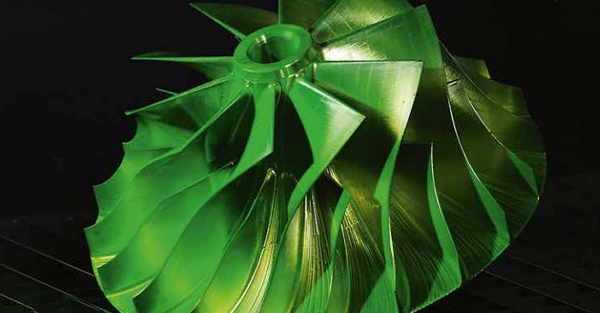
Ardrox 9715 is a level 3 sensitivity water washable fluorescent penetrant. This product gives crisp indications with exceptionally low levels of background and have excellent heat and UV fade characteristics. It is ideal for electrostatic application.
Ardrox 9715 can be used for metals and ceramics which are not strongly porous, during production and maintenance works. It is appropriate for various applications such as aerospace or any other high specification industries thanks to a large number of approvals and conformances.
Ardrox 9715 is usually used in conjunction with the Ardrox 9D4A or 9D1B developer and the Ardrox surface technologies. It is also applicable as a Method C, solvent removable penetrants.
Approvals:
- Airbus - AITM 6-1001
- ASME - Boiler Vessel Code (conformance)
- Rolls Royce - RRP 58003
- SAE - AMS 2644 Type I, Method A C, Level 3
- SAFRAN - PR-5000
Physical Chemical Properties:
- Appearance Fluorescent yellow liquid
- Density in g/ml at 20 °C / 68 °F Approx. 0.93
- Viscosity at 40°C / 104°F Approx. 9.5 mm°/s
- Flash point > 93 °C / 200 °F
- Level 3 Sensitivity
Method of use:
Ardrox 9715 may be applied by brushing, tank immersion or by electrostatic or conventional spraying. The following typical process sequence illustrates the recommended method of use for general industrial applications. However, where relevant, the process specifications of the approving authorities must be followed.
Additional Content
Shipping information
Please refer to our delivery page for more information.